Why the Same Beer Tastes Different in a Can, Bottle and on Draught
You’re not imagining it.
If you’ve ever loved a beer on tap, then tried the same one in a can or bottle and thought, “That’s not quite the same” — you’re absolutely right.
It doesn’t mean the beer’s bad.
It doesn’t mean your taste buds are unreliable.
And it definitely doesn’t mean you’re being fussy.
Beer can taste genuinely different depending on how it’s packaged and served — and there are some very good reasons for that.
Let’s talk it through, without the science lecture.
Beer Is More Sensitive Than It Looks
Beer might look sturdy sitting there in a glass, but it’s actually quite delicate.
Two things affect beer more than anything else:
Oxygen
Light
How a beer is packaged determines how well it’s protected from both — and that protection has a huge impact on flavour.
Add in temperature, carbonation and how quickly it’s consumed, and suddenly the format really matters.
Draught Beer: Fresh, Lively and Made for the Pub
Draught beer is designed to be drunk fresh, in the place it’s served.
When everything is done properly, beer on tap tends to feel:
Livelier
More aromatic
Better balanced
That’s because it hasn’t been sitting around warming up and cooling down. It’s stored cold, poured fresh, and usually consumed quickly.
That said, draft beer is also the most dependent on how it’s looked after.
Clean lines matter.
Correct temperature matters.
Glassware matters.
When draught beer is well kept, it’s hard to beat.
When it’s not, you notice straight away.
Why Cellar Care Makes Such a Difference
Behind every good pint is a lot of unseen work.
Beer lines need regular cleaning.
Kegs need to be stored correctly.
Different beers need different temperatures.
A hop-forward beer served too warm will taste harsh.
A lager served too cold will taste flat and lifeless.
This is why the same beer can taste incredible in one bar and disappointing in another — even if it’s technically the same product.
Good beer isn’t just about buying the right thing.
It’s about looking after it properly.
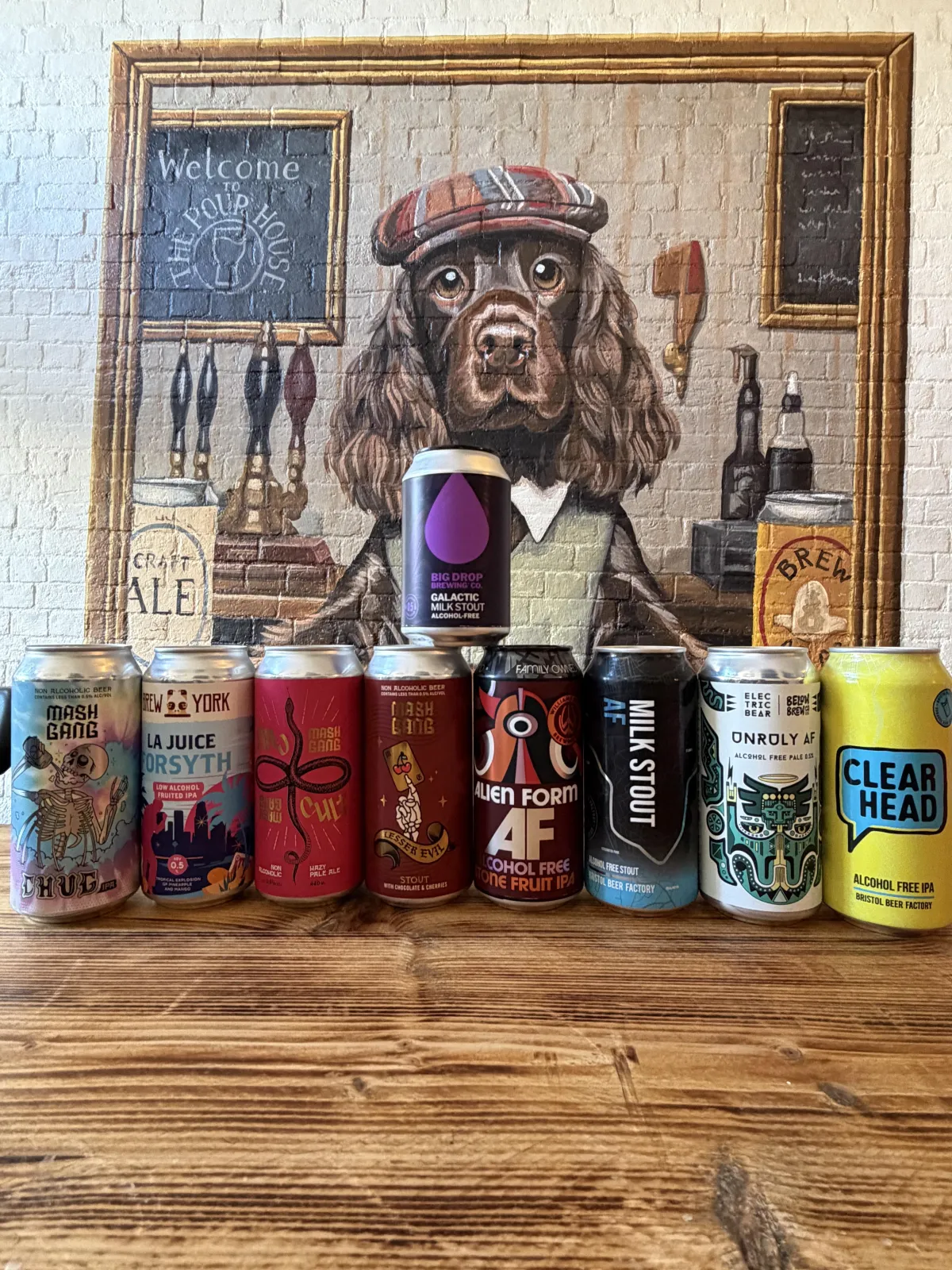
Cans: Quietly One of the Best Options
Cans have had a glow-up.
For a long time, cans were associated with cheap beer and bad choices. That stigma is outdated — and most modern breweries will tell you cans are often the best packaging for beer.
Why?
Because cans:
Block out all light
Seal tightly against oxygen
Keep beer fresher for longer
Are lighter and easier to transport
Hop-forward beers, in particular, benefit hugely from cans. The aromas stay brighter, the flavours stay sharper, and the beer tastes closer to how the brewer intended.
If you’ve ever dismissed canned beer as “worse”, it’s worth revisiting that assumption.
Bottles: Traditional, But a Bit Tricky
Bottles look nice. There’s no denying that.
But they come with challenges.
Light — especially sunlight — can damage beer over time, creating flavours people often describe as “skunky” or “stale”. Clear and green bottles are especially vulnerable.
That doesn’t mean bottled beer is bad. Some styles suit bottles beautifully, particularly beers designed to age or develop over time.
It just means bottles are less forgiving than cans, and storage matters more.
Carbonation Changes How Beer Feels
Another reason beer tastes different in different formats is carbonation.
Draught beer tends to have softer, more integrated carbonation.
Packaged beer can feel sharper or fizzier, depending on how it’s conditioned.
That changes:
Mouthfeel
Perceived sweetness
How aromas are released
It’s subtle, but it affects the overall experience — especially if you’re comparing side by side.
Temperature: The Silent Influencer
Temperature has a huge impact on flavour.
Cold beer tastes cleaner and crisper.
Warmer beer reveals more aroma and depth.
Draft systems are designed to keep beer within a very specific range. Cans and bottles, on the other hand, are often stored, transported and chilled in different ways before you drink them.
That variation alone can change how a beer tastes.
Is One Format “Better” Than the Others?
Not really.
They’re just different.
Draft beer shines in the pub — fresh, social, immediate.
Cans are brilliant for freshness and hop character.
Bottles suit certain styles and slower drinking
What matters most is whether the beer has been treated with care — not what it’s served in.
Why Your Preference Might Change
You might love a beer on draft and feel indifferent about it in a can. Or the other way round.
That doesn’t mean your taste is inconsistent. It just means you’re responding to context.
Beer is a sensory experience.
Where you are, who you’re with, how it’s served — it all plays a part.
What This Means When You’re Choosing a Beer
If you loved something on tap, don’t be surprised if it feels different packaged.
If you’ve only tried something in a can, it might shine even more on draft.
And if you’re unsure? Ask.
We’re always happy to explain why something might taste the way it does — or help you find the version you’ll enjoy most.
The Bottom Line
The same beer can taste different in a can, bottle or on draft — and that’s normal.
It’s not inconsistency.
It’s sensitivity.
Beer responds to light, oxygen, temperature and handling. When it’s treated well, it rewards you. When it’s not, it tells you.
At The Pour House, our job is to make sure that whatever format you choose, the beer in your glass is worth your time.
Everything else is just detail.